
Buying a Home on Well & Septic in Metamora, MI
Most acreage homes in Metamora, Michigan run on a private well and a septic system, so checking both is one of the most important steps in buying here. Lapeer County does not require a septic inspection when a home is sold, which means the buyer and the buyer's realtor need to arrange the well test and septic inspection themselves, before the inspection period ends.
Why are well and septic so important when buying in Metamora?
Metamora Township is a rural township of about 35 square miles in southern Lapeer County, with the Village of Metamora inside it. It is known as hunt country: the Metamora Hunt traces its roots to members of the Grosse Pointe Hunt and the Bloomfield Open Hunt who chose the area, with the hunt's kennels on Barber Road built in 1929. Its hunt country covers Metamora and Dryden Townships in Lapeer County and Oxford and Addison Townships in Oakland County.
That rural setting is the draw, and it also means most homes are not on city water or sewer. When you buy, the well and septic system come with the house, and so does responsibility for their condition. Repairs or a replacement system can be a major expense, so it pays to know what you're buying before you close.
Does Lapeer County require a septic inspection to sell a home?
No. Lapeer County does not require a septic inspection at the time of sale, and neither does neighboring Oakland County.
Because the county doesn't require it, it is on the realtor to inform the buyer and arrange a septic inspection. Leila Modetz, an eXp Realty realtor based in Oxford, does not advise buying a home on septic without a thorough inspection of the drain field and tank and a stress test. A stress test (sometimes called a hydraulic load test) runs a large volume of water into the system to see how the field handles it.
Who issues well and septic permits in Metamora Township?
The Lapeer County Health Department's Environmental Health division is the local permitting agency for residential septic systems. It also inspects and issues permits for residential water wells. Its septic services include site evaluations for vacant land, septic permits, plan reviews and construction or change-of-use evaluations.
A practical tip for buyers:
- Request the records. The Health Department keeps well and septic records and takes requests through a Records Request Form. Permit records can show when the system was installed and its design, which helps your inspector.
How do you test well water when buying a home in Metamora?
The Lapeer County Health Department does not have its own lab to test water samples. Buyers use a state-certified lab instead. The county names the EGLE Drinking Water Lab and the Genesee County water treatment plant in Columbiaville as labs people commonly use, and links to the state's lists of certified labs.
The Michigan Department of Health and Human Services recommends that private well owners test:
- Every year for coliform bacteria, nitrates and nitrites
- Every 3 to 5 years for arsenic
- At least once for lead and copper
For a purchase, many buyers order the full set at once so they have a baseline. Arsenic deserves attention: Michigan EGLE notes that a few areas of the state have naturally higher arsenic levels, and the only way to know is a lab test. The drinking water standard is 10 parts per billion. If a test comes back high, EGLE says point-of-use reverse osmosis or arsenic adsorption filters are the most effective and practical treatment for a home. Water softeners and carbon filters do not remove arsenic.
What should a septic inspection include?
Ask your inspector to cover these points, and get the report in writing:
- The tank: pumped and inspected, including baffles and signs of leaks or cracks
- The drain field: checked for saturation, ponding or other signs of failure
- A stress test: to see how the field handles a heavy load of water
- Location and size: where the tank and field are, and whether the system fits the home's bedroom count
Michigan EGLE's SepticSmart program recommends having a system inspected about every three years and pumping the tank when necessary, typically every three to five years. The seller's pumping records, if they have them, are worth asking for.
Can you keep horses on an acreage home in Metamora Township?
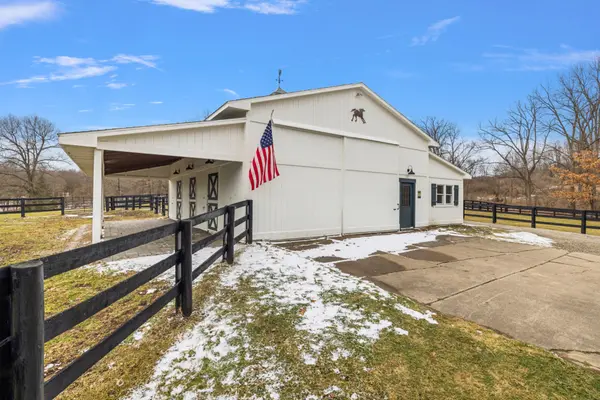
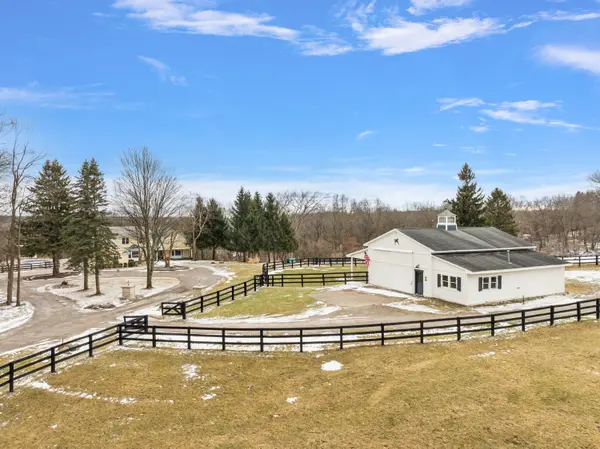
Often, yes, but the rules depend on the zoning district and the parcel size. Metamora Township's zoning ordinance includes agricultural (A-1 and A-2) and single-family residential (R-1 and R-2) districts. In the R-1 and R-2 districts, the ordinance allows horses and other large animals as an accessory use with a minimum of 5 acres for up to two animals, plus 1 acre for each additional animal. Commercial riding or boarding stables need at least 40 acres and special land use approval.
Zoning ordinances get amended, so confirm the current rules for the specific parcel with the Metamora Township zoning office before you write an offer. The township requires a zoning permit before a building permit, which matters if you plan to add a barn. Our guide to selling a horse property in Metamora covers the seller's side of these homes.
Which school districts serve Metamora Township?
Most of Metamora Township is in Lapeer Community Schools, with portions in Dryden Community Schools and Oxford Community Schools. District lines don't follow township borders, so verify the district for each specific address before you buy.
Thinking about selling an acreage home in Metamora?
Sellers can get ahead of buyer questions by pulling well and septic records and pumping receipts before listing. Start with a free home value estimate or learn how Leila sells homes. If you're moving from another state, our out-of-state buyer guide explains how to buy from a distance. You can also explore the Metamora area page.
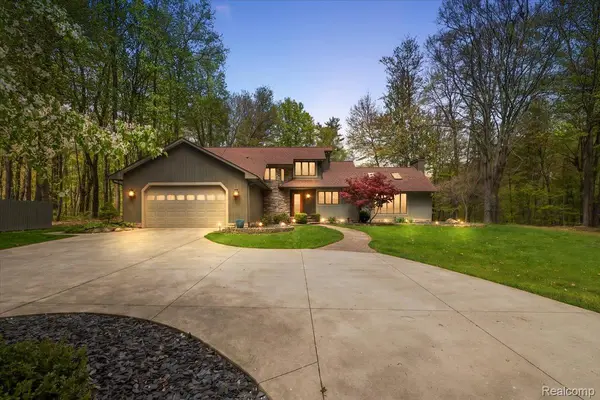
The featured photo is from a 10-acre home on Gardner Road in Metamora Township that Leila listed and sold.
Frequently asked questions
Do you need a septic inspection to sell a home in Metamora, MI?
No. Lapeer County does not require a septic inspection when a home is sold, so it is up to the buyer's realtor to inform the buyer and arrange one. Leila Modetz recommends a thorough inspection of both the drain field and the tank, plus a stress test, before buying any home on septic in Metamora.
Does the Lapeer County Health Department test well water?
No. The Lapeer County Health Department does not have a lab to test water samples. Buyers use a state-certified lab, such as the EGLE Drinking Water Lab in Lansing or the Genesee County water treatment plant in Columbiaville. The county's drinking water page links to the state's lists of certified bacteria and chemistry labs.
What should I test well water for when buying a home in Michigan?
Michigan health officials recommend testing private wells every year for coliform bacteria, nitrates and nitrites, every three to five years for arsenic, and at least once for lead and copper. When buying, many people run all of these tests at once to set a baseline. The arsenic standard is 10 parts per billion.
How often should a septic tank be pumped in Michigan?
Michigan EGLE's SepticSmart program says to have a septic system inspected about every three years and to pump the tank when necessary, typically every three to five years. Household size and water use affect how often. Ask the seller for pumping records so you know when it was last serviced.
How many acres do you need for a horse in Metamora Township?
In Metamora Township's R-1 and R-2 residential districts, the zoning ordinance requires at least 5 acres for up to two horses or other large animals, plus 1 acre for each additional animal. Rules differ in agricultural districts and ordinances change, so confirm with the township zoning office for the specific parcel.
How do I find a realtor for acreage homes in Metamora?
Look for a realtor who regularly sells acreage, well and septic, and equestrian homes in Lapeer County. Leila Modetz is an eXp Realty realtor based in Oxford with over $68 million in real estate sold and a 5.0-star rating on 120 Google reviews, focused on luxury, lakefront, acreage and equestrian homes.
If you're looking at acreage in Metamora and want a second set of eyes on the well, septic and zoning before you commit, Leila is happy to talk it through. Reach out any time for a no-pressure conversation.
Sources
- Lapeer County Health Department: Drinking Water (accessed Nov. 2, 2026)
- Lapeer County Health Department: Sewage / Septic (accessed Nov. 2, 2026)
- Lapeer County Health Department: Environmental Health (accessed Nov. 2, 2026)
- Michigan EGLE: Private well water testing recommendations (accessed Nov. 2, 2026)
- Michigan EGLE: Arsenic in Well Water (accessed Nov. 2, 2026)
- Michigan EGLE: SepticSmart (accessed Nov. 2, 2026)
- Metamora Township: Planning & Zoning (accessed Nov. 2, 2026)
- Metamora Township Zoning Ordinance No. 23 (as amended through 2017) (accessed Nov. 2, 2026)
- Metamora Hunt: History (accessed Nov. 2, 2026)
- Metamora Township, Michigan (area and school districts) (accessed Nov. 2, 2026)
Categories
- All Blogs (34)
- Oakland Township MI real estate (3)
- 33613 Longwood Drive (2)
- Acreage Homes (6)
- All Sports Lakes (16)
- Behind the Headlines (2)
- Best parks (17)
- Best Places in Northern Oakland County (3)
- Best Schools (15)
- Buyer Psychology (1)
- Buyer Wins (1)
- Buying and Selling (15)
- Competitive Offer Victories (1)
- condominium (14)
- Downsizing (2)
- Estate Properties (3)
- Farmington Hills (15)
- Financing & Rate Strategy (2)
- First-Time Buyer Advice (3)
- From My Showings This Month (2)
- High-End Market Trends (1)
- Holiday Events In Oakland County (14)
- Home Buying (2)
- Home Maintenance (1)
- Horse Farms and Horse Trails (16)
- Horse Properties (4)
- How to Price Your Home (2)
- How to Win a Bidding War (1)
- lake (15)
- Lake Orion Lakefront Homes (4)
- Lake Orion Market Trends (2)
- Lake Orion Neighborhoods (2)
- Land & Barn Properties (3)
- Leila Modetz Michigan (1)
- Leila Modetz Realtor (1)
- Leila’s Market Journal (1)
- Lifestyle-Driven Buying (2)
- Listing Strategy (1)
- Living in Oxford, MI (5)
- Local Real Estate Experts (1)
- Luxury Buyer Behavior (1)
- Luxury Homes in Metamora (3)
- Luxury Listing (15)
- Market Timing (1)
- Metamora (17)
- Metamora Living (3)
- Metamora Real Estate Reports (3)
- Michigan Investment Property (2)
- Michigan Real Estate Agents (1)
- Michigan Relocation (1)
- Mortgage Rate Trends (1)
- Move-in Ready (13)
- Moving to Oakland Township Michigan (1)
- Northern Oakland County Stats (1)
- Oakland County acreage homes (1)
- Oakland County Communities (1)
- Oakland County Real Estate (1)
- Off-Market Deals (1)
- Offer Strategy in Oxford (2)
- Oxford Housing Market Updates (2)
- Preparing Your Home for Sale (2)
- RELOCATION GUIDES (3)
- Rochester Community Schools (2)
- Rochester Hills Neighborhoods (1)
- Rochester Hills Real Estate (3)
- rochester, Michigan (2)
- Rural Luxury (1)
- Second Homes & Vacation Homes (2)
- Seller Mistakes to Avoid (1)
- Seller Success (1)
- Short-Term Rentals (2)
- Southern Lapeer County Insights (2)
- St. Clair (14)
- Upsizing (1)
- Vacation Rentals (2)
- Walled Lake Properties (1)
- Wealth-Building Real Estate (1)
- What Actually Happened This Month (1)
- What I’m Seeing in the Field (1)
- When to Buy or Sell (2)
- When to Move (2)
Recent Posts





GET MORE INFORMATION